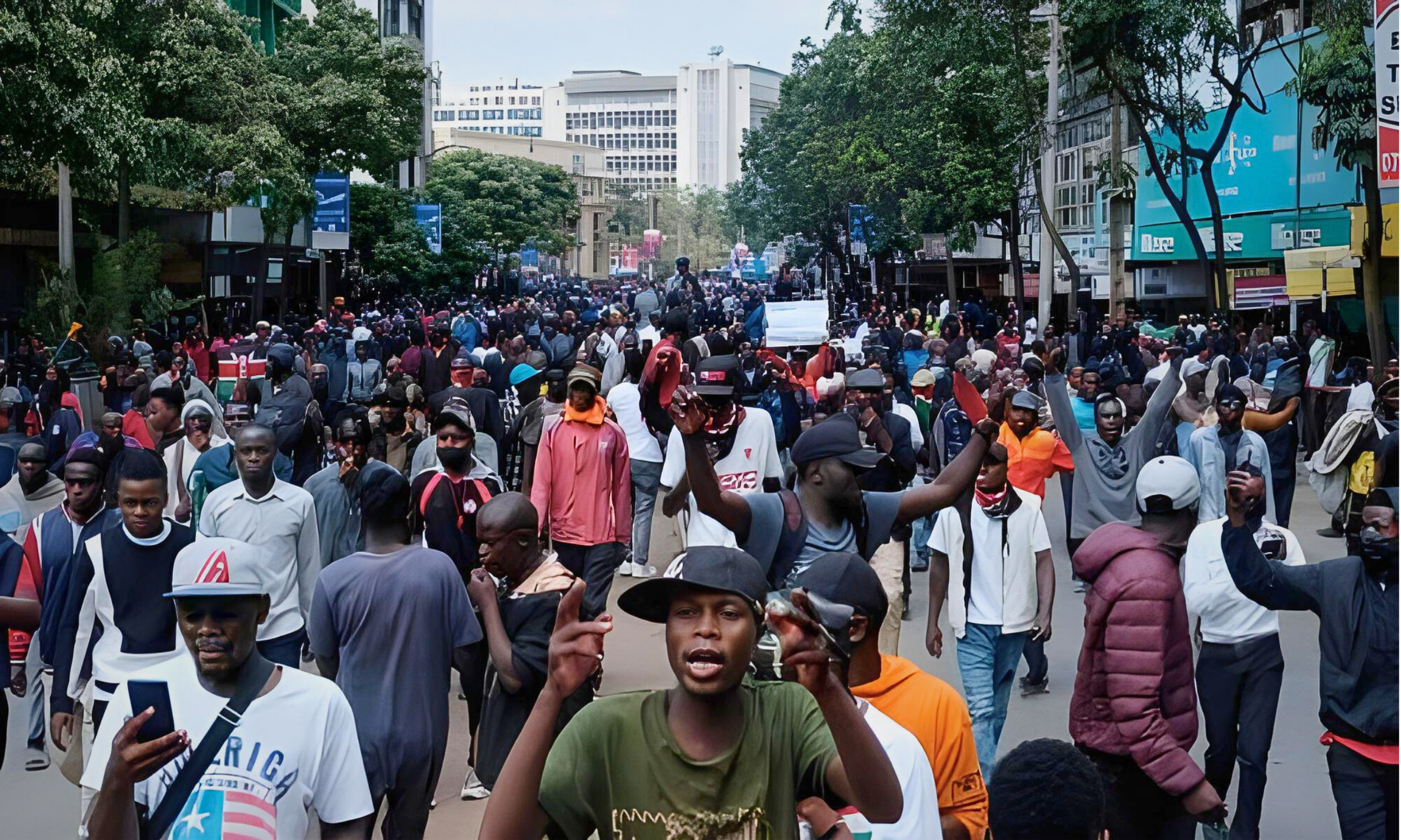
Credo Advisory recently concluded a comprehensive global sentiment analysis following the United States’ (U.S) statements of possible military action in Nigeria. This was triggered by President Donald Trump’s statement describing the country as a “Country of Particular Concern” (CPC) over alleged religious persecution. The findings show that while the CPC designation and genocide allegations featured prominently in public debate, it was the warning of military intervention that primarily escalated both domestic and international reactions.
Sentiment analysis revealed that engagement was largely dominated by men, with women noticeably underrepresented, while youth on TikTok, Facebook, and X played a key role in shaping discussions through commentary, satire, and rapid sharing. Reactions were influenced by religion, region, and political identity. Hashtags like #ChristianGenocide, #NigeriaIsBleeding, and #DefendNigeria were amplified across various social media platforms, spreading factual updates, disinformation and misinformation.
Drawing on Mentionlytics media intelligence and supplementary digital monitoring tools, Credo’s analysis tracked over 1,300 mentions from 711 unique users across social media and online news platforms. The conversations reached an estimated 18.8 million users and generated more than 17,000 engagements across Facebook, X, YouTube, Bluesky, news sites, and web forums.
Discourse was predominantly in English at 93 percent, with Nigeria, the United States, and the United Kingdom leading geographic participation, followed by Germany, Canada, India, Australia, and France. Overall sentiment was largely neutral at 57.3 percent, with 31 percent negative and 11.7 percent positive, reflecting a highly polarized information environment.
Nigerian and international media revealed a deeply polarized response to Trump’s statement on religious violence. Local outlets like The Guardian Nigeria, Punch, Channels TV, and Daily Trust refuted claims of a Christian genocide, emphasized national sovereignty, and urged calm. International outlets, including BBC, Al Jazeera, NBC, and Politico, highlighted religious freedom concerns but cautioned against oversimplifying Nigeria’s complex violence.
The Nigerian government adopted a similarly measured posture, dismissing claims of Christian-targeted genocide while reaffirming its commitment to restoring security across affected regions. Christian communities in the Middle Belt and South welcomed international attention, while northern and Muslim communities saw it as inflammatory.
A key finding was the speed and scale at which misinformation spread. Speculative claims about imminent airstrikes, exaggerated casualty figures, and unverified reports circulated widely before official clarifications. These narratives heightened anxiety and deepened mistrust across both Nigerian and international audiences.
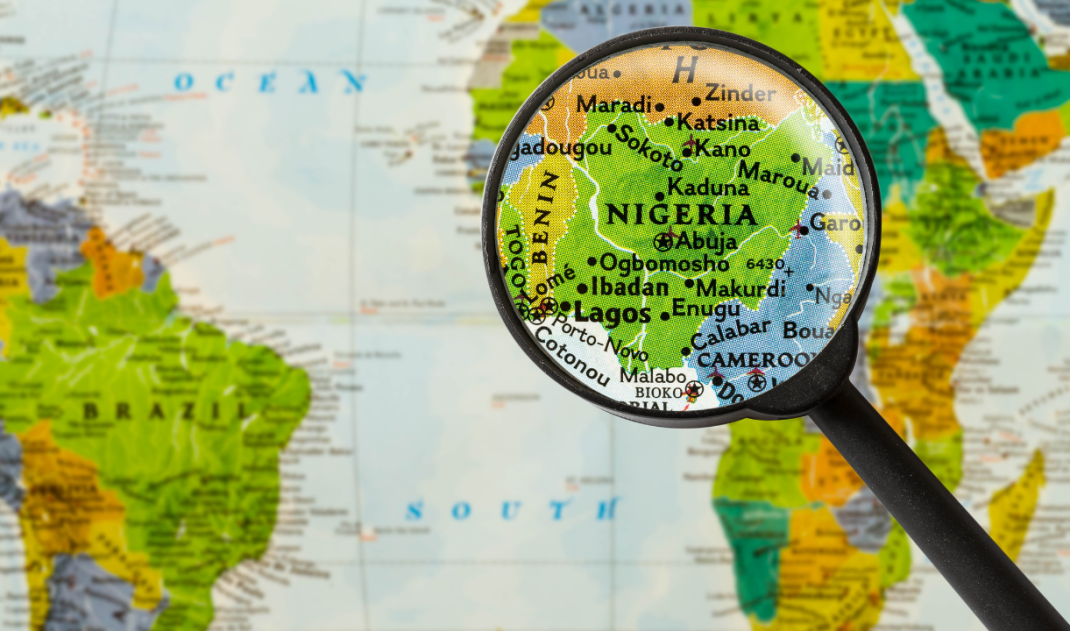
Despite the tension, Credo’s research also revealed a strong demand for clarity, responsible communication, and conflict-sensitive messaging from both Nigerian and international actors. From these insights, Credo recommends improving public communication systems to counter misinformation, expanding gender-inclusive engagement strategies, and strengthening Nigeria’s coordinated diplomatic response to prevent external narratives from shaping domestic security perceptions.
“When conversations around human rights and national security become this heated, every word carries weight. Our analysis reveals how quickly fear, anger, and misinformation can harden into deep divisions. Still, it also shows a genuine appetite among Nigerians for clarity, context, and leadership in how these issues are communicated. At Credo Advisory, we recommend transparency, proactivity and sensitivity in these moments, so that public dialogue can move from suspicion and outrage toward understanding and accountability.”
As Nigeria continues to navigate complex national security challenges within a volatile global environment, Credo Advisory remains committed to delivering research-driven communication insights that reflect both local realities and international perceptions, supporting peacebuilding efforts, reducing polarization, and strengthening public trust.